Blast Chiller / Blast Freezer
Blast Chiller Installation in London & the M25
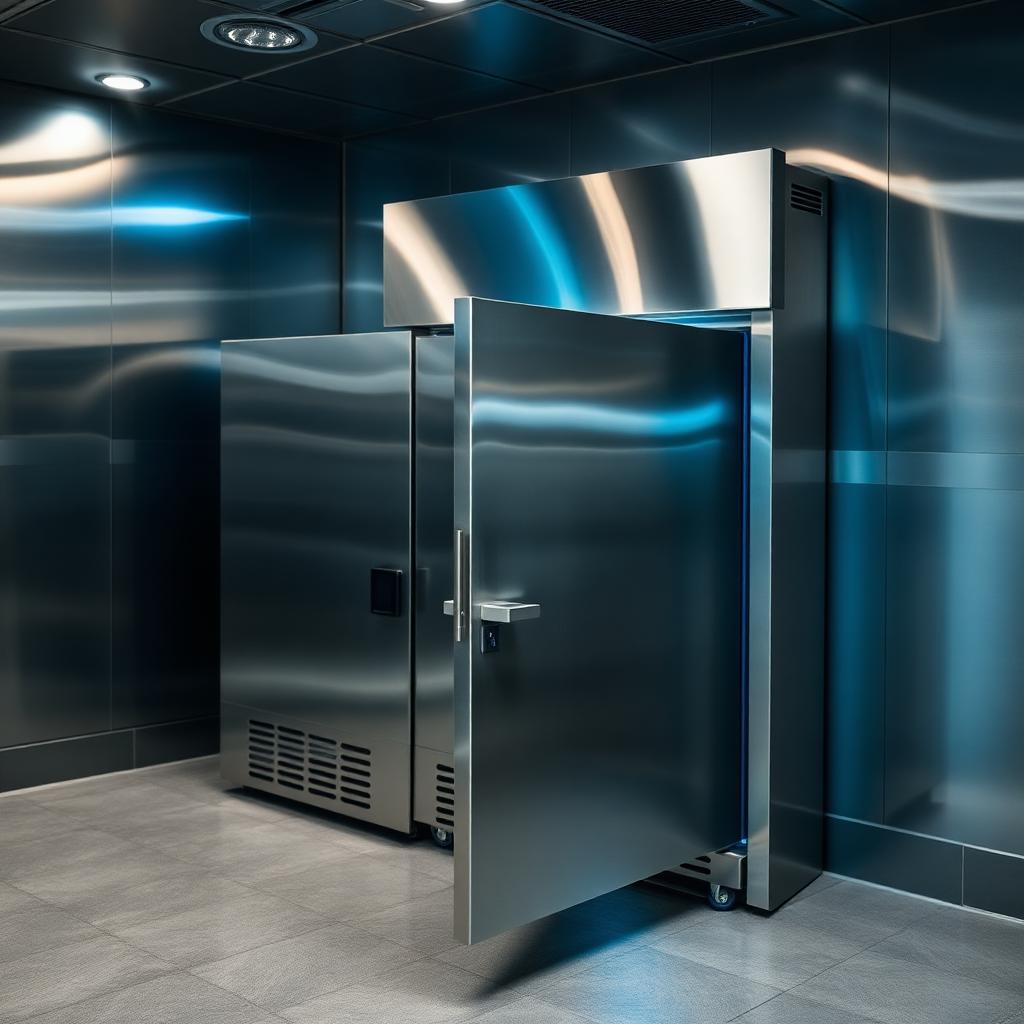
Blast chillers and blast freezers pull cooked food through the temperature range where bacteria multiply quickly, much faster than a storage fridge or freezer can. Performance is judged by core-probe pull-down time, not by the air temperature shown on the display.
Specifying a blast chiller
Start from the food: the largest batch you cook at once, the tray or gastronorm sizes used, and how quickly the kitchen needs the cabinet free for the next batch. Cabinets are rated by the weight they can chill in a cycle, so choose on rated capacity and cycle time rather than external size.
Decide between an integral cabinet (condensing unit built in, needs ventilation clearance in the kitchen) and a remote system (condensing unit outside, quieter and cooler kitchen, but needs a pipe route).
Installing a blast chiller
Installation covers the position and ventilation clearances, a suitable electrical supply, drainage for defrost water, remote condensing unit pipework where fitted, commissioning with a timed probe cycle and staff guidance on programmes and loading.
Load, trays and air flow
Blast cabinets are rated for a stated load and tray depth. Deep containers, lids, overfilled trays and food loaded very hot beyond the cabinet’s rating all slow pull-down, and blocked fan guards stop air reaching the food.
Chill cycles: what good performance looks like
UK cook-chill guidance has long worked to bringing food down to 0–3 °C within about 90 minutes of cooking. Your own food safety plan sets the exact target; a cabinet that can no longer meet it is faulty even if it still feels cold.
Other guides on blast chilling and blast freezing
Common questions on blast chilling and blast freezing are answered on the Blast Chiller Repair page.
Agreeing an installation
Installation quotes are only comparable when they list the same scope: equipment, pipe lengths, drains, electrical work, access, making good and commissioning. A written quote follows a site survey.
- Equipment model and positions
- Pipe, drain and electrical scope
- Commissioning, warranty registration and first service
Engineer labour is £120 + VAT per hour with a one-hour minimum; parts and refrigerant are quoted in writing before they are fitted. New equipment is a fixed written quote after a survey.
How each type of visit works and all rates · What to have ready when you book · How we work