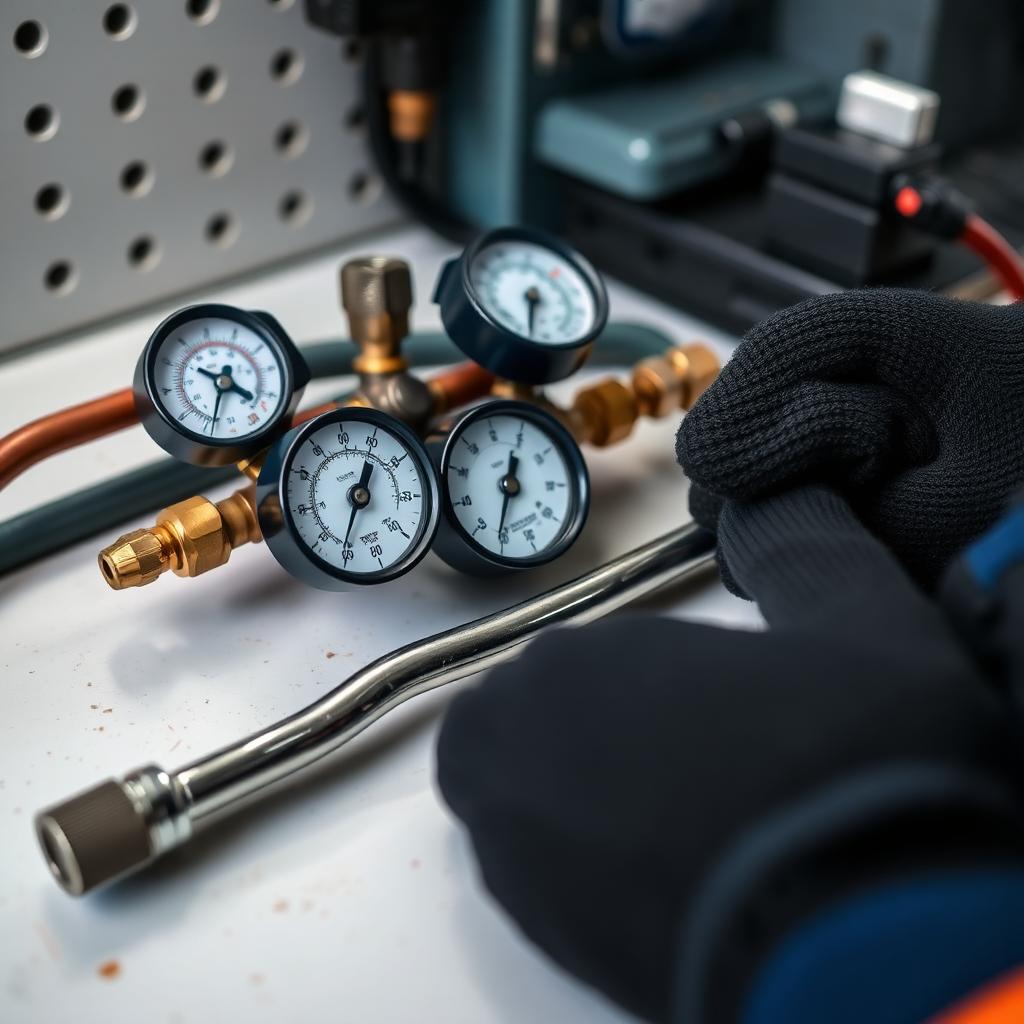
Whether you're a production kitchen freezing meal batches or a fine-dining restaurant locking in service prep, a working blast chiller is non-negotiable. We install, service and repair reach-in, roll-in and pass-through units from all major manufacturers.
What we cover
New install & commissioning
Single-tray reach-in to multi-trolley roll-in blast chillers / freezers, sited and commissioned to spec.
Emergency repair
24/7 callout for chillers not hitting cycle times or throwing fault codes — fixed before service.
Core probe & cycle issues
Probe replacement, controller fault diagnosis and cycle reprogramming.
Compressor & gas faults
Compressor replacement, leak repair and refrigerant recharge.
Door seals & hinges
Heated gasket and hinge replacement to maintain pull-down performance.
Annual service contract
Coil clean, probe check, gas pressure log and HACCP-ready service report.
Brands we service
Foster · Williams · Adande · Polaris · Friulinox · Irinox · Hoshizaki
Frequently asked questions
London Locations Covered
Choosing the right visit
Describe the equipment and what you need — a repair, a service, an inspection or a quote for new equipment — so the visit is scoped correctly and the right engineer attends.
- The outcome you need from the visit
- Equipment details and access
- How findings will be reported
Engineer labour is £120 + VAT per hour with a one-hour minimum; parts and refrigerant are quoted in writing before they are fitted.
How each type of visit works and all rates · What to have ready when you book · How we work
Blast Chillers: scope, checks and next steps
Blast chilling is a timed pull-down process, not ordinary refrigerated storage. The cycle, product loading and core-temperature probe all affect whether a batch meets the site’s cooling procedure.
Separate the possible causes
Compare the selected programme, batch size, tray spacing, probe reading, evaporator airflow and door closure. An air-temperature display alone cannot demonstrate the product core reached its target.
Repair or replacement?
Before replacing the unit, establish whether a component fault or a changed batch duty explains slow cycles. Replacement capacity should be based on the actual process and product load.
What each check helps establish
- Counter, cabinet and roll-in blast chillers
- Confirm the component identity and model-specific requirements before deciding whether adjustment, testing or replacement is appropriate.
- Modular blast chill rooms for large CPUs
- Confirm the component identity and model-specific requirements before deciding whether adjustment, testing or replacement is appropriate.
- HACCP cycle programming and validation
- Confirm the component identity and model-specific requirements before deciding whether adjustment, testing or replacement is appropriate.
- Compressor, fan and probe repair
- Operation, mechanical condition and control demand must be separated before condemning the drive.
Details to include with your job request
Save the cycle record, starting product condition, load weight, selected programme and any probe or alarm code. Follow the food-safety procedure for an incomplete cycle.