Unvented Hot Water Cylinders
Megaflo Expansion Vessel Recharge in London & the M25
Recharging the internal air gap or external vessel stops tundish discharge and is far cheaper than the cylinder replacement often quoted.
Megaflo Expansion Vessel Recharge explained
Recharging the internal air gap or external vessel stops tundish discharge and is far cheaper than the cylinder replacement often quoted.
- Air gap re-establishment: Confirm the component identity and model-specific requirements before deciding whether adjustment, testing or replacement is appropriate.
- External vessel pre-charge: Interpret readings against operating conditions and equipment specification; do not assume a recharge is the answer.
- Inlet pressure check: Interpret readings against operating conditions and equipment specification; do not assume a recharge is the answer.
- Discharge monitoring after: Interpret readings against operating conditions and equipment specification; do not assume a recharge is the answer.
Interpreting the reported fault
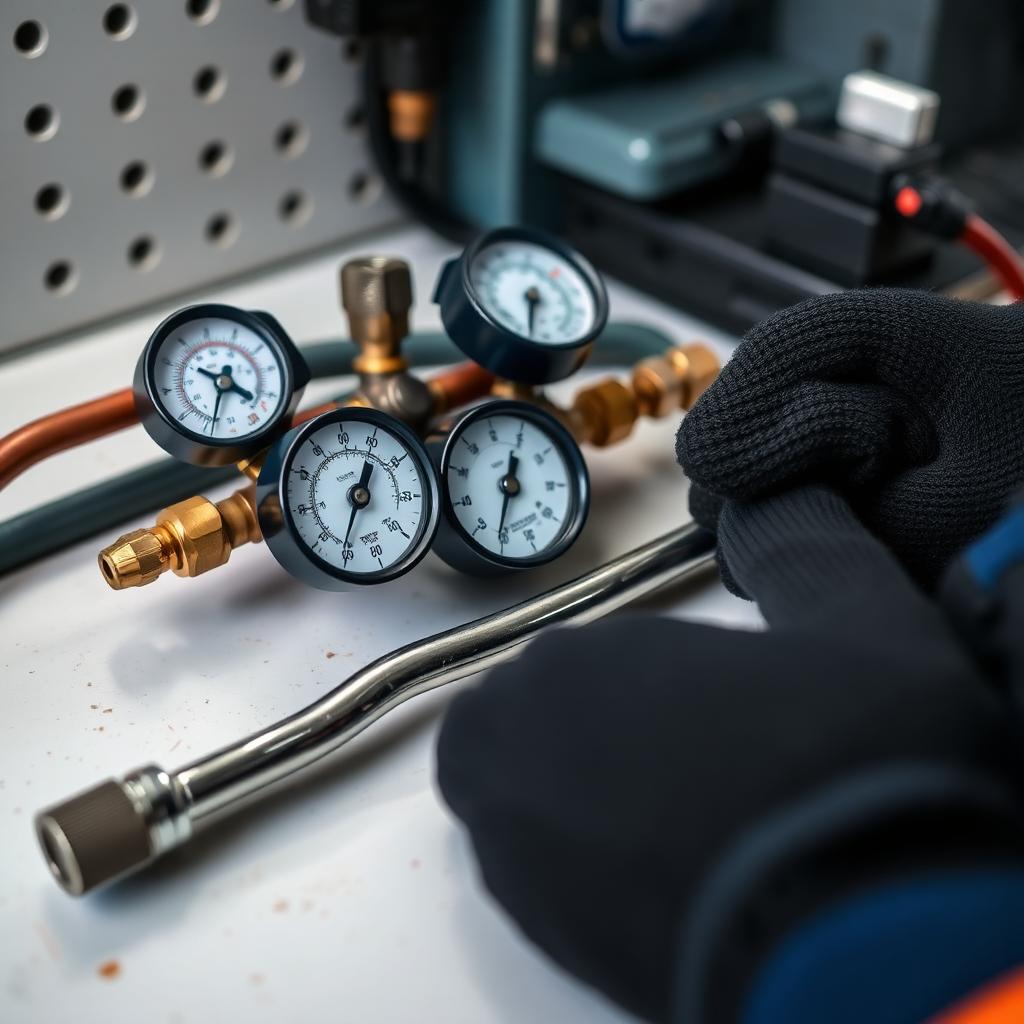
Pre-charge measurement requires the water-side pressure to be relieved correctly. Compare the specified charge, vessel condition, valve leakage and available expansion capacity; measuring against a pressurised water side can mislead.
- Reported symptom: water discharging to the tundish every time the cylinder heats
Megaflo Expansion Vessel Recharge: scope and decisions
An expansion vessel accommodates changes in water volume. Rising pressure while heating and discharge from a relief valve can have several causes; they do not prove the vessel needs replacement.
A vessel that holds its charge may need adjustment rather than replacement. A failed diaphragm, corroded shell or inadequate capacity requires a different scope. Do not adjust a safety valve to mask pressure rise.
Provide the vessel label, system type, cold and hot pressure readings and where any discharge appears. Do not isolate safety devices or attempt a pressure test yourself.
Choosing the right visit
Describe the equipment and what you need — a repair, a service, an inspection or a quote for new equipment — so the visit is scoped correctly and the right engineer attends.
- The outcome you need from the visit
- Equipment details and access
- How findings will be reported
Engineer labour is £120 + VAT per hour with a one-hour minimum; parts and materials are quoted in writing before they are fitted.
How each type of visit works and all rates · What to have ready when you book · How we work