VRF / VRV
VRF Repair in London & the M25
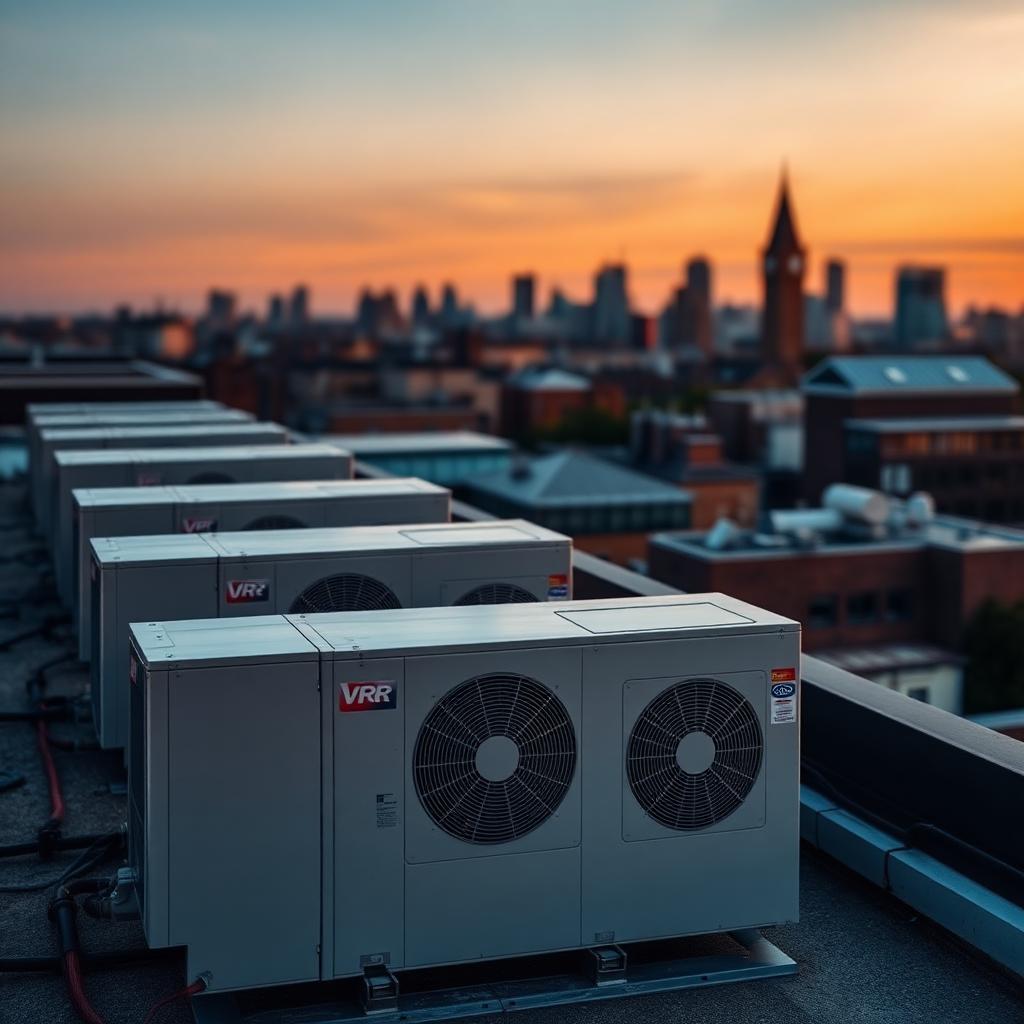
VRF and VRV systems connect many indoor units to shared outdoor units, so one fault can affect a whole floor and addresses and communication are checked first.
VRF repair: restoring the system
Repair follows diagnosis: replacing a failed fan motor, board, sensor, electronic expansion valve or compressor, or repairing a refrigerant leak. On VRF systems a repair is usually followed by checking addresses and operating data across the system, because a change to one component can affect how others run.
Reading operating data
Manufacturer service checkers and software read pressures, valve positions and temperatures from every unit. This shows patterns across a large system that a single gauge reading cannot.
Maintenance planning
An asset list mapping each indoor unit’s address to its room, plus copies of commissioning data, speeds every future fault-finding visit and makes maintenance reports meaningful.
Additions and alterations
Adding or moving indoor units changes pipe lengths, branch sizes and charge. The design limits must be checked, additional charge calculated and the system recommissioned.
VRF Repair near you
VRF and VRV systems: questions
Agreeing the repair
A repair visit starts by confirming the fault and its cause, so the part replaced is the one that failed. The repair finishes with a test under normal operating load.
- The component found at fault and why it failed
- Parts, refrigerant and lead time in writing
- The test that proves the repair worked
Engineer labour is £120 + VAT per hour with a one-hour minimum; parts and refrigerant are quoted in writing before they are fitted.
How each type of visit works and all rates · What to have ready when you book · How we work