VRV & VRF Systems
VRF Pressure Testing in London & the M25
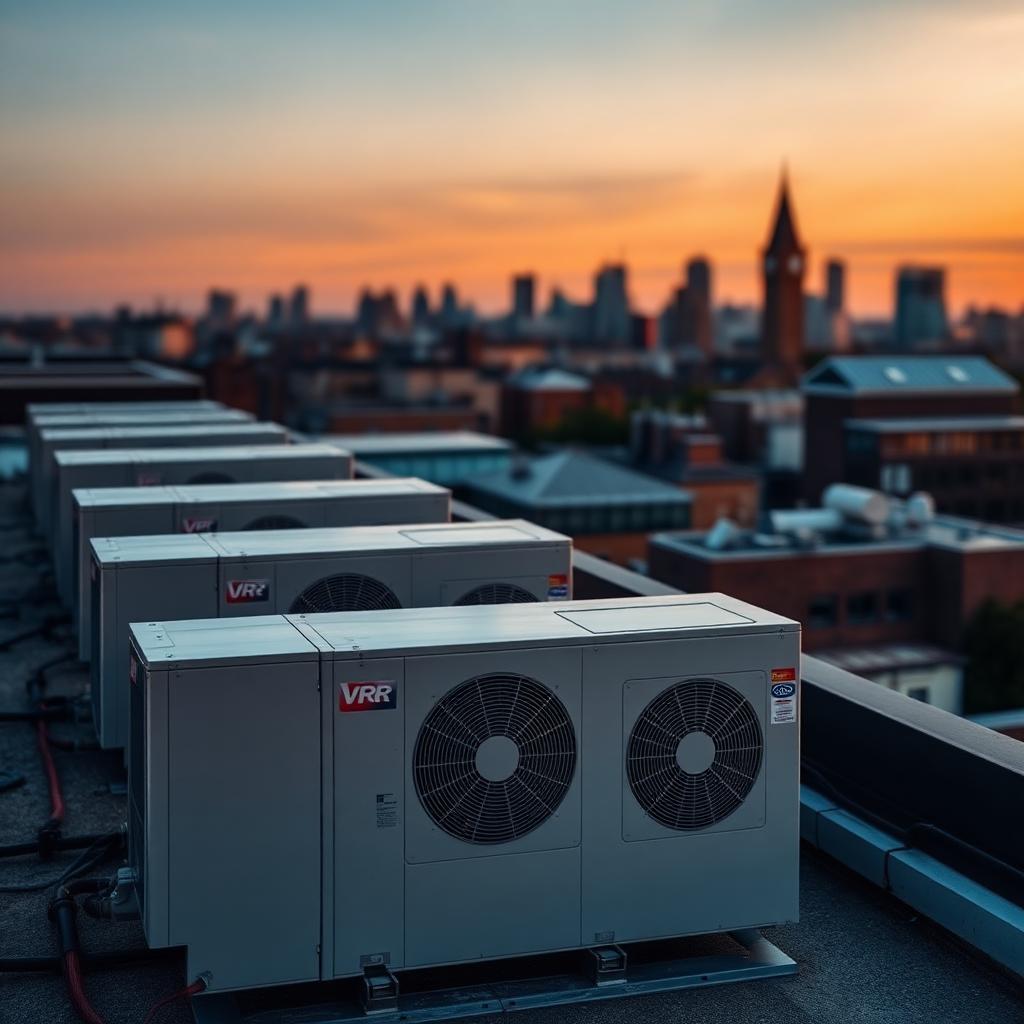
VRF and VRV systems connect many indoor units to shared outdoor units, so one fault can affect a whole floor and addresses and communication are checked first.
Why the circuit is tested
Brazed and flared joints can leak, and moisture or air left in the system reacts with refrigerant oil and reduces performance. Testing before charging avoids losing refrigerant and creating repeat faults.
How a strength and tightness test works
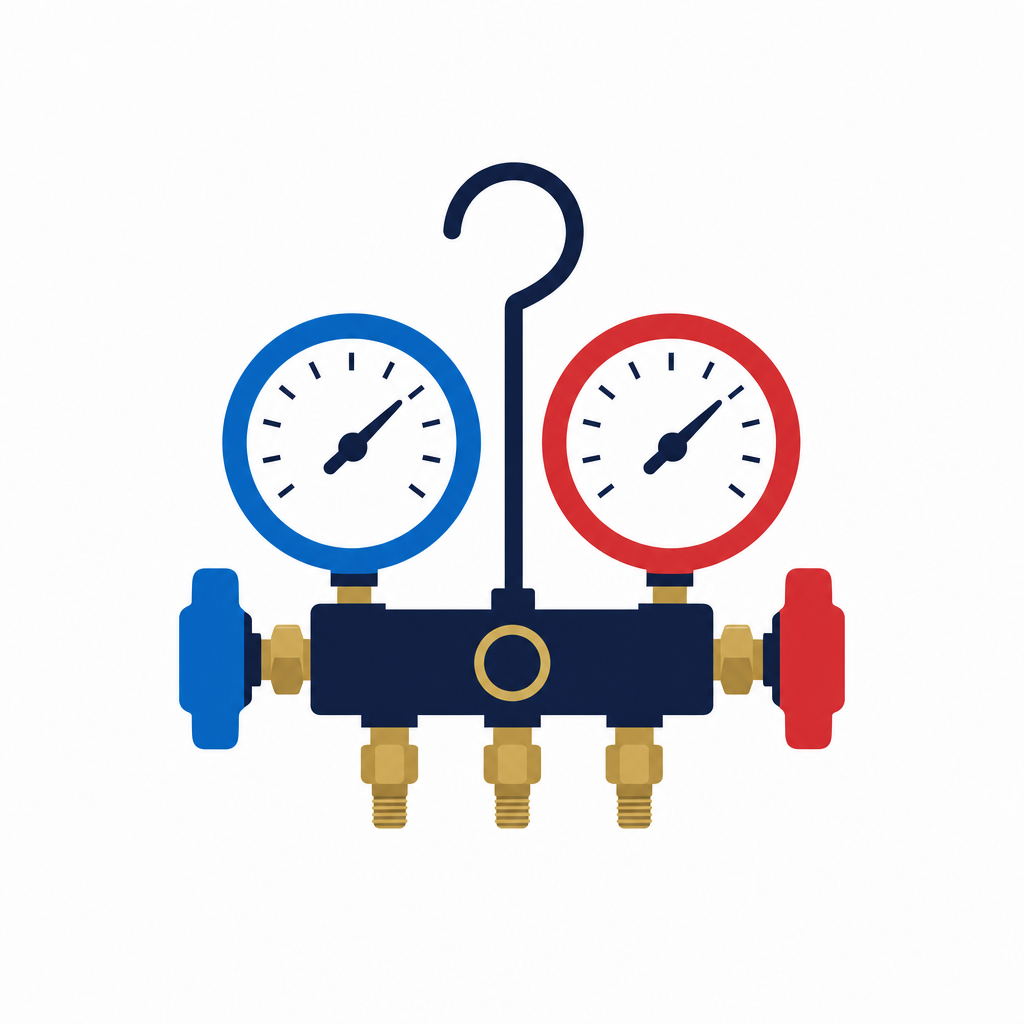
The circuit is pressurised with oxygen-free nitrogen to a value suitable for the system and refrigerant, then held while pressure and temperature are recorded. A pressure fall that cannot be explained by temperature means a leak to find.
Other guides on pressure testing, evacuation and vacuum testing
- AC Evacuation
- AC Nitrogen Pressure Test
- AC Pressure Testing
- AC Vacuum Test
- Air Conditioning Pressure Test
- VRF Nitrogen Testing
- VRF Pressure Test Failure
Common questions on pressure testing, evacuation and vacuum testing are answered on the AC Evacuation page.
Choosing the right visit
Describe the equipment and what you need — a repair, a service, an inspection or a quote for new equipment — so the visit is scoped correctly and the right engineer attends.
- The outcome you need from the visit
- Equipment details and access
- How findings will be reported
Engineer labour is £120 + VAT per hour with a one-hour minimum; parts and refrigerant are quoted in writing before they are fitted.
How each type of visit works and all rates · What to have ready when you book · How we work